“Energy is the feedstock for the system that buys back and sustains the land.”
One path sells our energy to someone else’s machine. The other uses it to make things the world needs — and to bring our whenua home.
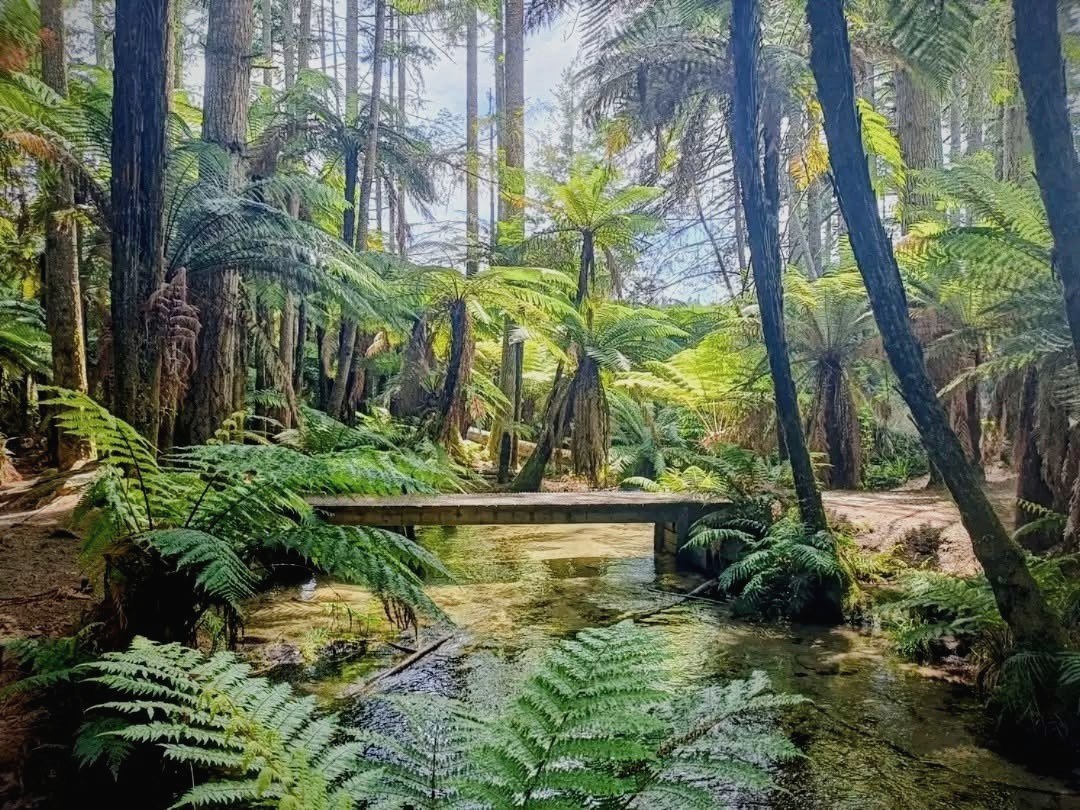
Photo: Kimberly Hiraina Bray

Ngātoroirangi — illustration by Dennis Turner, from Legends of Rotorua by A. W. Reed. He mihi nui ki te ringatoi me te kaituhi.
Before the deals, before the market, there was a man on a mountain. Ngātoroirangi, tohunga of Te Arawa, climbed Tongariro in the killing cold and called fire across the ocean from Hawaiki. The fire came — carried on the backs of birds — and it never left. It still sleeps beneath the Taupō Volcanic Zone.
For a century, others have sold that fire. Te Waituhi exists so that, at last, it warms the hands of the people it was called for.
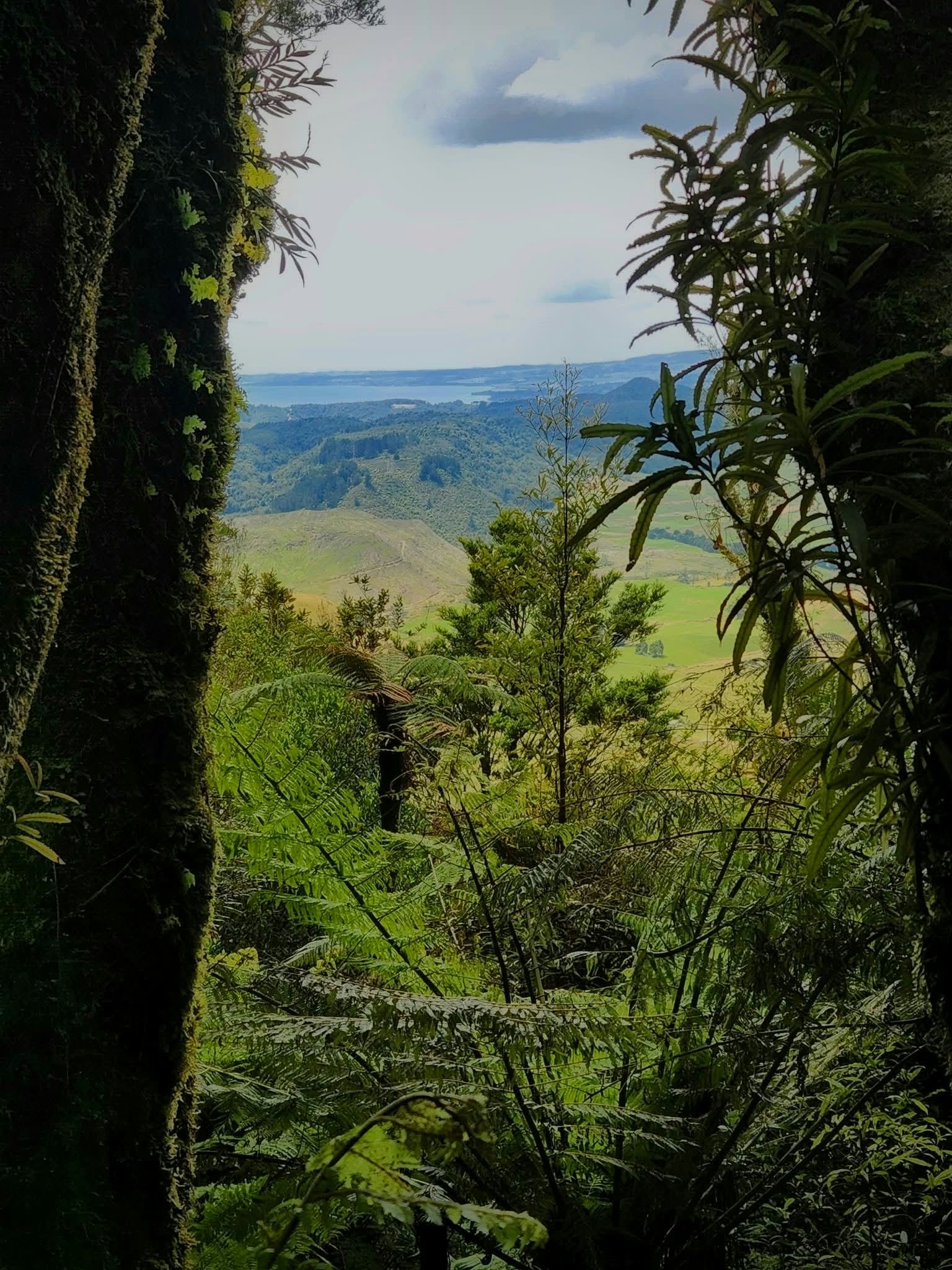
Beneath the Taupō Volcanic Zone sits one of the most reliable energy sources on earth. The only question is what we do with it.
Steady money today — and our energy locked away until 2046. We have seen this film before: Tiwai Point swallowed around 13% of the country’s power at below-market prices for decades, and ordinary households paid the difference.
The credible best offer on the table. Stated fairly, because it is.
Turn dairy effluent into char, biogas and fertiliser with our own geothermal heat. Sell the products, sell the carbon. Use the profit to re-aggregate the whenua — hectare by hectare, generation by generation.
And the land comes home. That value isn’t in this figure.
One honest note, kept because honesty is the point: the exact data-centre power price is assumed, not public — no NZ contract has been signed yet. One signed benchmark re-prices the whole model, and we will say so when it happens.
Path B is not one project. It is a loop. Each turn of the loop buys the next one.
Geothermal heat from beneath the Taupō Volcanic Zone. Always on — running ~90% of the time — costing roughly $65 per unit to make.
Our own plants take dairy effluent — a problem our rohe already holds in abundance — and cook it into char, biogas and digestate.
Physical goods the world needs, plus carbon credits. Three revenue lines where Path A has one.
The profits purchase whenua. Every hectare re-aggregated is a hectare home. Each one earns ~$880 a year — and supplies the next feedstock.
That land grows the next batch of feedstock, which funds the next hectare. The system sustains itself.
“Energy is not the product. Energy is how the land comes home.”

Whenua o Ngāti Kea Ngāti Tuara, Horohoro.
Under Path A, land bought over thirty years just sits there — grass, ~60,000 hectares of it, inert. Under Path B, every hectare works: it earns, it feeds the system, and it funds the next one.
The Rotorua–Tauranga catchment, re-aggregated within living memory — funded by the system, not the tribunal queue.

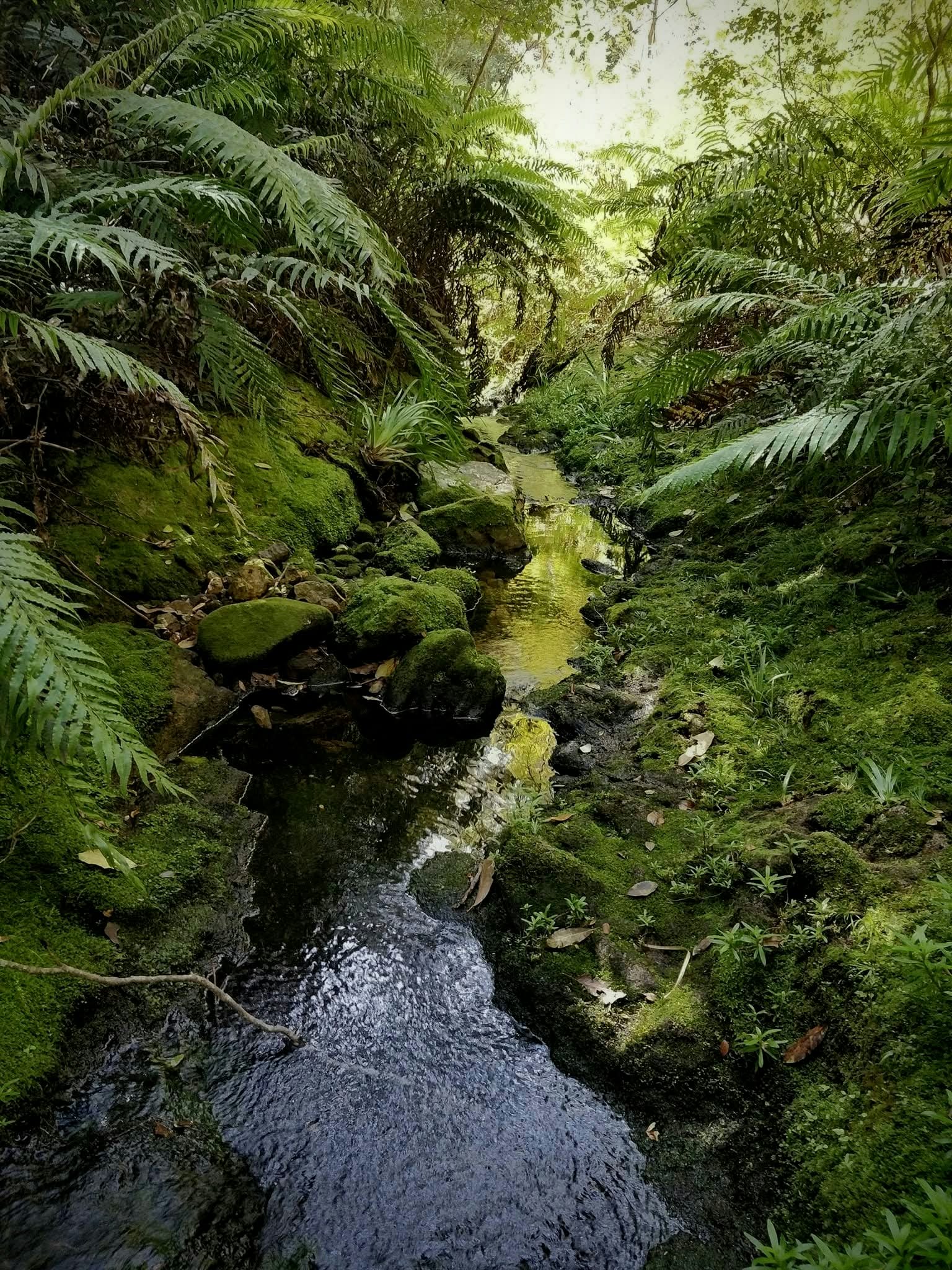
Te whakawhiti — the crossing. Photo: Kimberly Hiraina Bray
In 2022, a major report on New Zealand’s energy future gave iwi one page. Its 2025 successor did not mention iwi at all — while promoting $70 billion of foreign data-centre investment. When the holder of a mandate waits, the framework moves around them: consent pathways are rewritten, capital is pre-marketed offshore, and engagement becomes a clause instead of a conversation.
“None of this requires malice. It only requires time.”
The pattern holds only while the paper goes unused. Te Waituhi exists so the mandate is exercised while the ink is still wet.
Every claim on this page traces to a register of 25 audited statements — each marked verified, modelled, or honestly assumed. Even the tempting things are left out on purpose: restoration rainfall, rare earth minerals — real possibilities, deliberately uncounted. The upside is a bonus. It is never the plan.
Four stages. Each unlocks only when the one before it has proven itself. Skipping a gate is Path A by another name.
A 10MWth HTC pilot on existing plant, within a 50-shed feedstock radius.
100MWth across five modules, digestate line live, first two-to-three farms contracted.
250–500MW; Rotorua–Tauranga corridor logistics; rare-earths drilling campaign.
Only after the system self-funds. Allocation sovereignty — we choose the tenants, on our terms.
Beyond Aotearoa: Australian farmland available to us without foreign-buyer approval. Carbon credits that pay more to those who commit for 100 years — and iwi capital is the natural 100-year holder.
“A private-equity fund lives ten years. This asset lives one hundred.”
And the deepest upside — restored bush drawing rainfall back to parched land — is real but unproven. So it is not in the numbers. When it proves out, it arrives as a gift, not a promise.

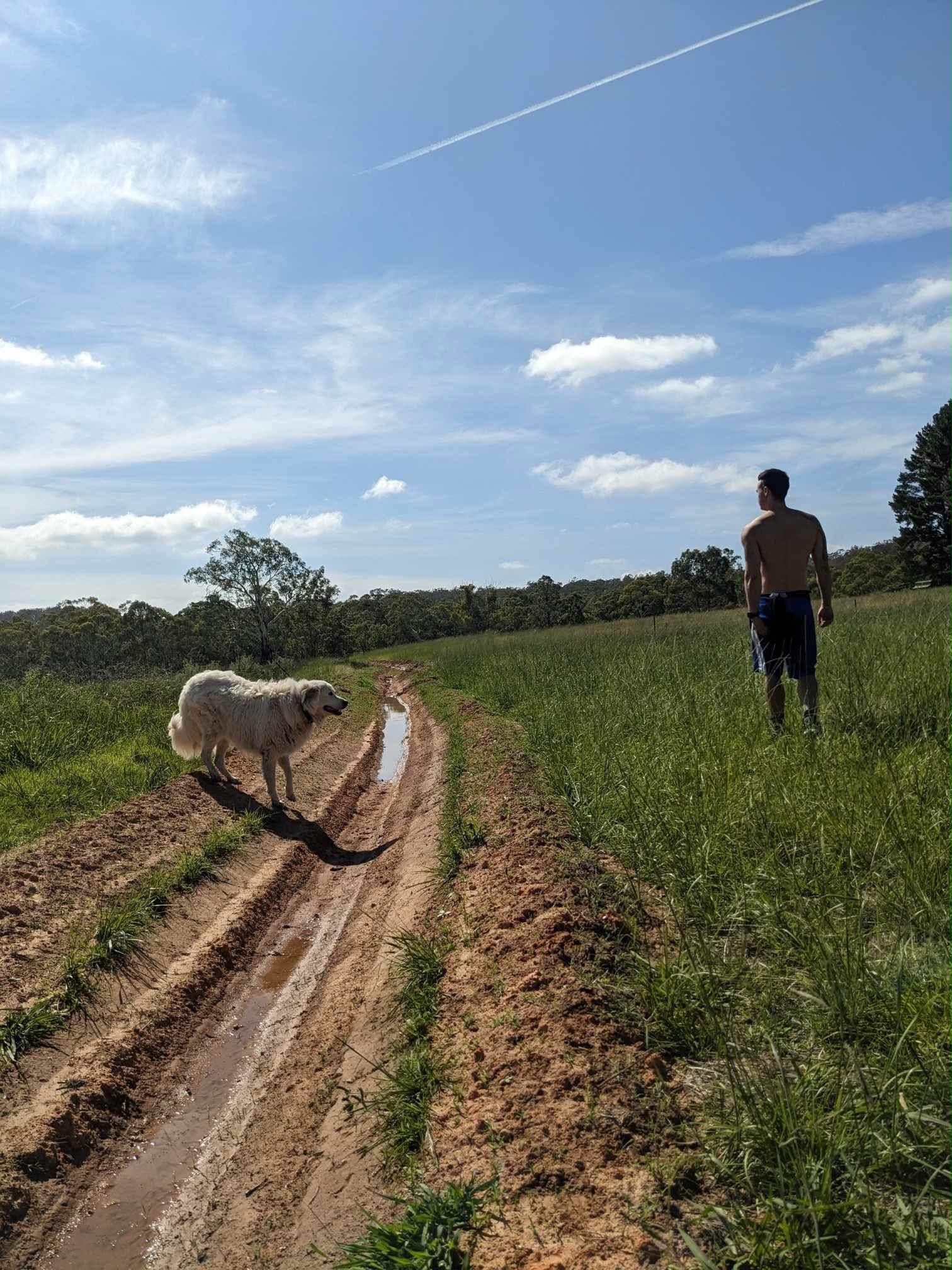
Walking Australian whenua with Peter Andrews — the natural-sequence-farming korero that seeded the Trans-Tasman horizon. Photo: Marama Monsall
Five things. Each one small enough to say yes to. Together they clear the first gate.
Which entity, what scope — sign the mandate paper while the ink is wet.
A pilot at scale, on contract — with first refusal to grow with us.
Land parcels identified for the first modules, Rotorua–Tauranga.
One letter — it decides which acquisition regime applies across the Tasman.
For char or digestate: an offtake commitment clears the first gate.